



Hypercast
Dialogues between generative curatorial theorists that Fakewhale developed over more than a year of research. Each episode takes essays from the Fakewhale LOG and argues them at their theoretical and conceptual level.
Up next
 REC 07 · PremiereMembers
Episodes
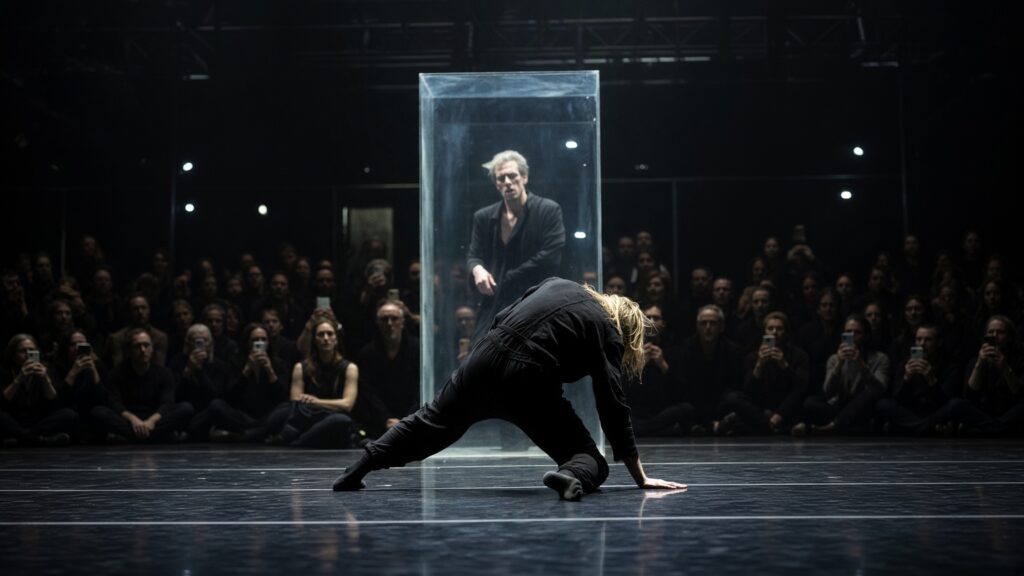
REC 08 · NewMembersAn artist starts working under the art world's gaze long before any gallery has looked: an imagined verdict settles in the studio and begins to decide which forms will read as legitimate. The distance a practice needs comes from the viewer who actually arrives, whose partial reading is evidence of what a work carries once its maker steps away. For every artist with a recognizable language, the consequence is direct: the identity that sustained the work can start preserving itself at the work's expense, and what a stranger actually sees is where that turn becomes visible.
 REC 06Members
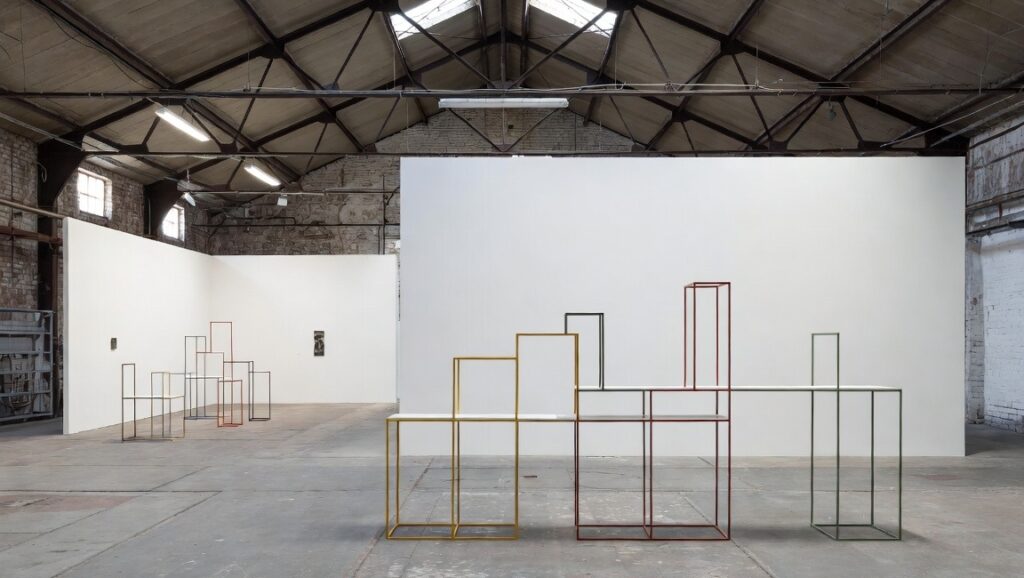
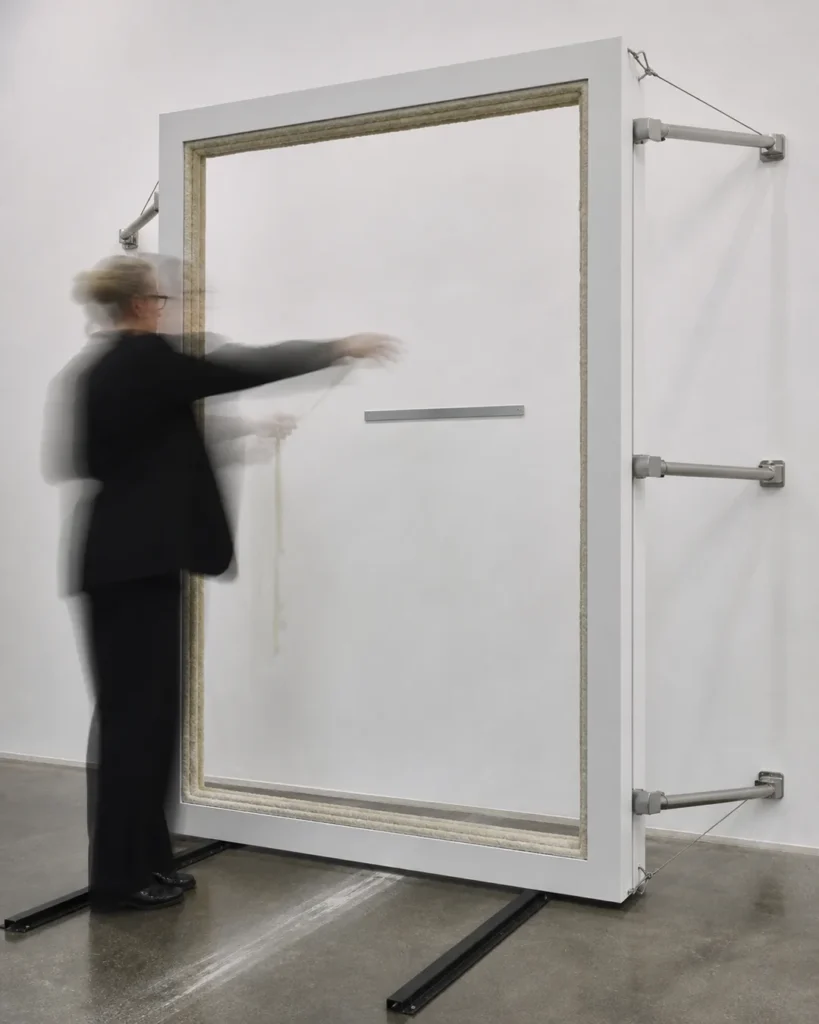
An image has become an instrument that earns. Attention is the currency it is denominated in, artistic time is rented forward, and thought itself is quoted, which turns a work from an object into a position held over time. The conversation asks what remains of looking when the looking is the yield.
 REC 05Members
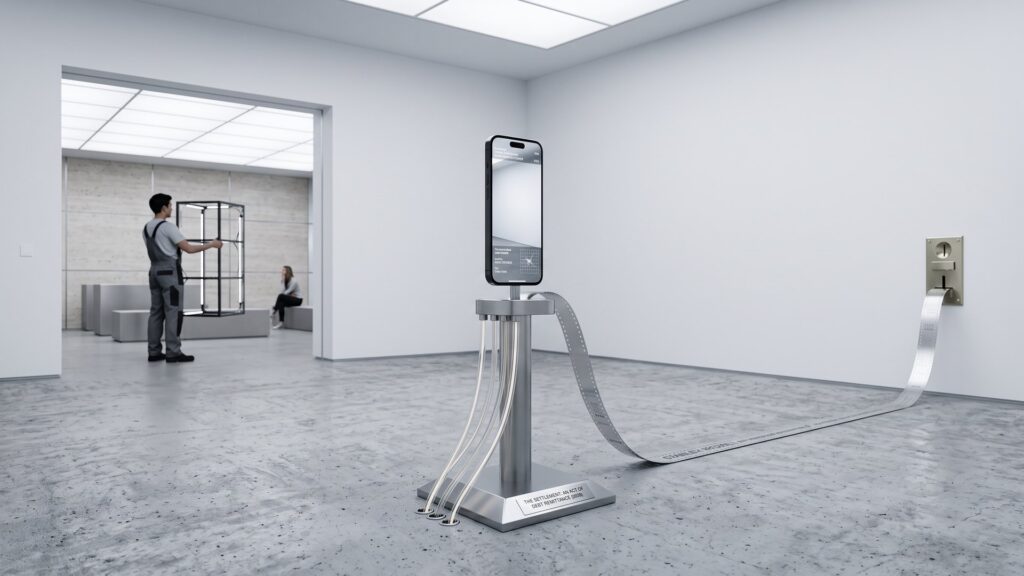
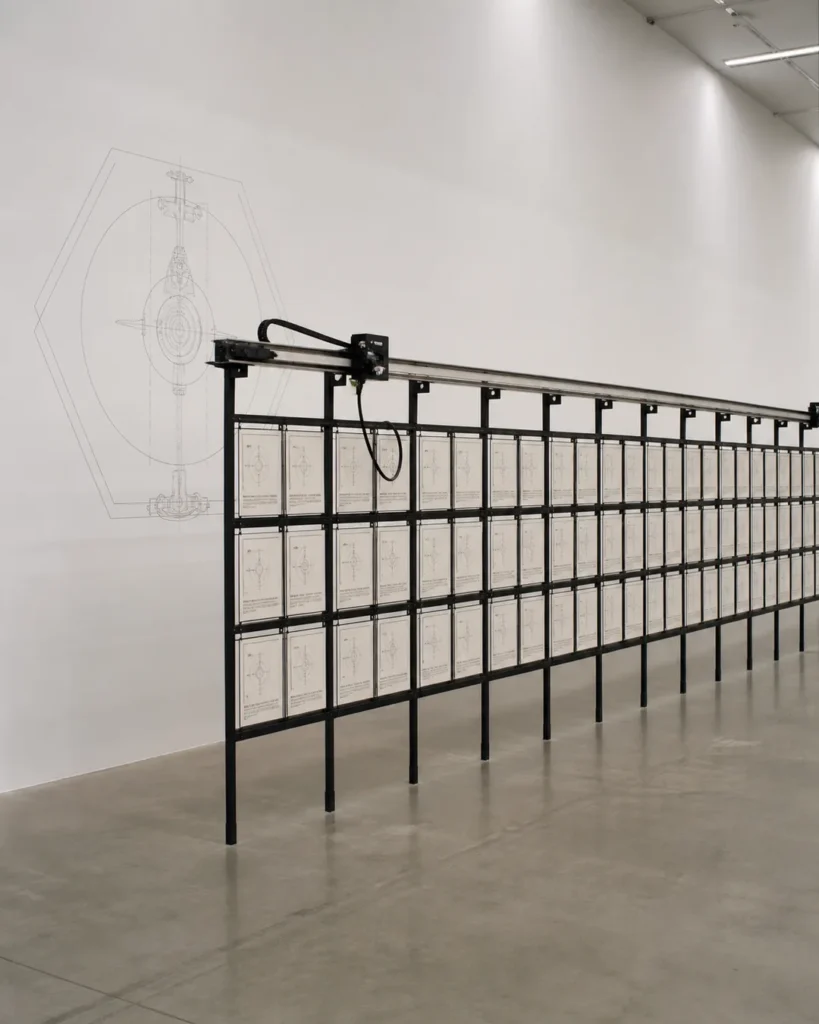
The interface arrives before perception does. Anticipation is designed, latency is composed, and the eye is permanently late to its own experience, so appearing at all becomes a scheduled permission rather than a fact of being present. Read from three pieces on predictive sensing, waiting time and the right to appear.
 REC 04Members
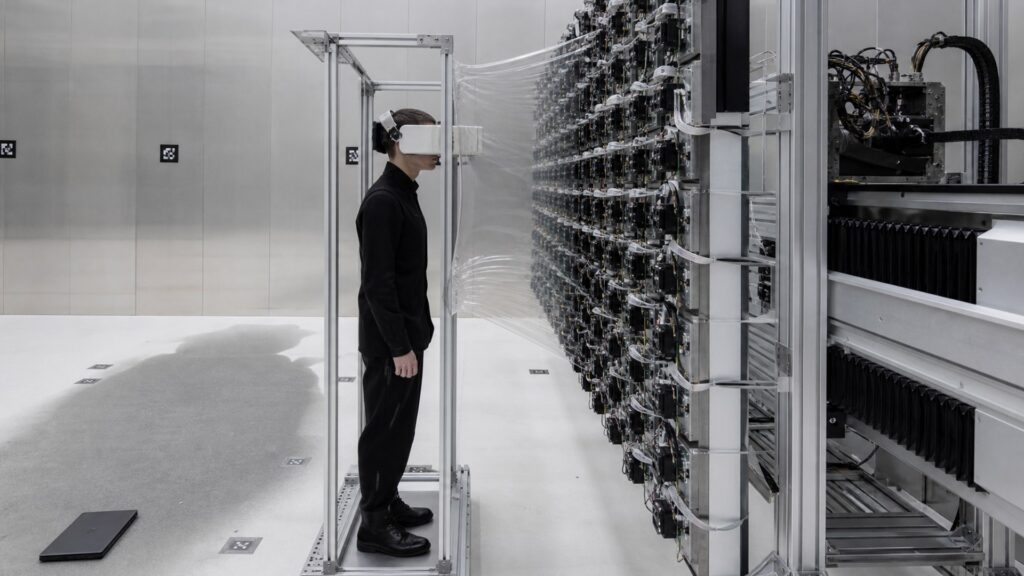
Three pieces on the same displacement. The decisive act in art has moved from making to choosing, so judgment becomes the entire labour and the authority of a work comes from what was refused, ended or killed rather than from what was built. The conversation tests that against its strongest objection, that selection is simply a new craft, and closes on what a market does when the buyer never looks.
 REC 03Members
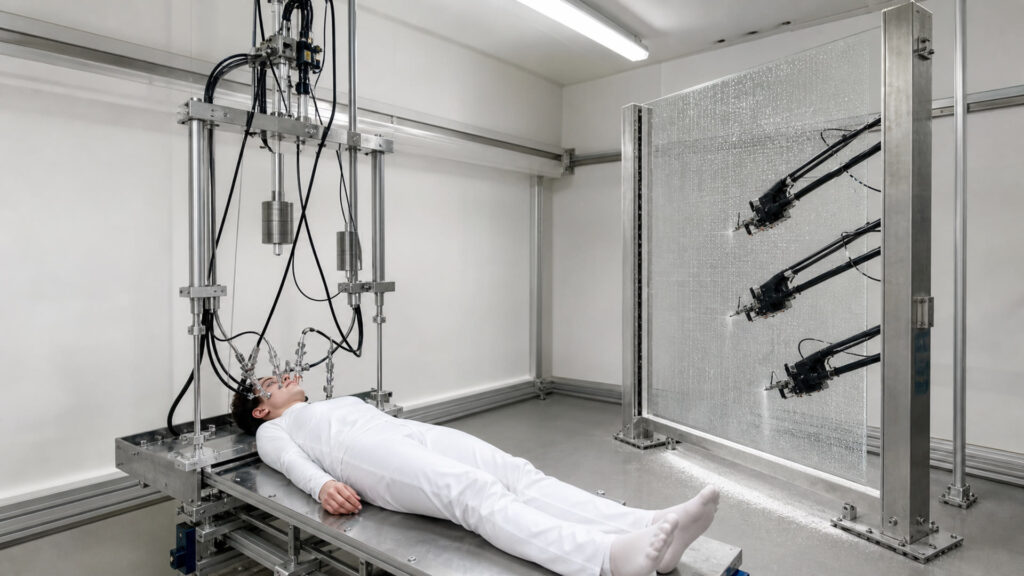
Three short pieces, read in plain terms. The seventeen seconds you spend deciding whether your own sentence is good enough, right before you hand it to a model. The phone photo of a sunset that comes back brighter...
 REC 02Members
Three essays, one continuous argument about cognition under algorithmic mediation. Assisted thought displaces the labor of knowing. The gaze becomes a parameter before it resolves into an image. Daily life settles into ...
 REC 01Members
Three essays examined. One thesis: the comfort produced by language models is not neutral, it is sedative. Fakewhale curators trace a line from the cognitive passivity induced by AI familiarity to the broader ae...