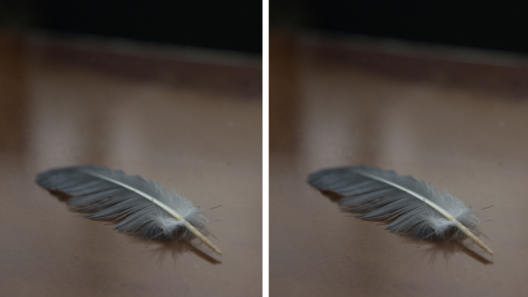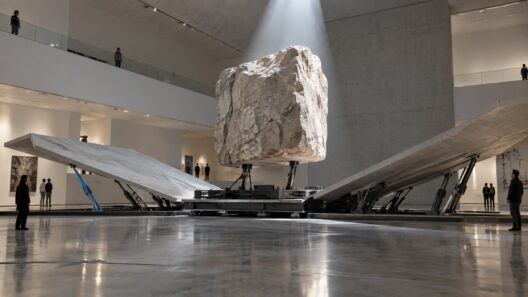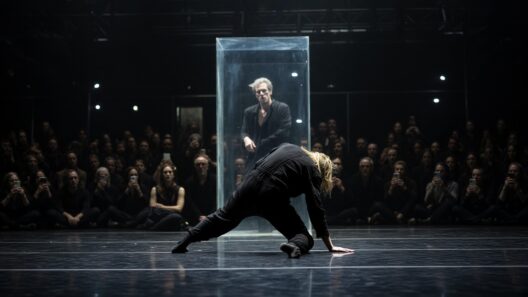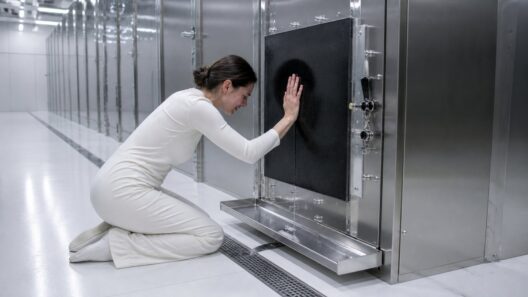

“Why, sometimes I’ve believed as many as six impossible things before breakfast!” said the Red Queen in Alice’s Adventures in Wonderland (1871). Well, in 2025 (or in our futuristic vision of 2024) six impossible things a day might even feel like too few, given how rapidly artificial intelligence and computer graphics are generating new hybrid realities. But while cinema, video games, and advertising race to outdo one another with special effects, how is contemporary sculpture responding to this proliferation of the “impossible”? Until not so long ago, only the most “capitalized” artists Damien Hirst, Takashi Murakami, Jeff Koons could afford monumental productions, often realized with the help of specialized teams of artisans and fabricators. Their objects appeared as though they had just leapt off a digital screen, silently proclaiming, “This is the future, whether you like it or not,” exuding a technological aura that kept criticism at bay. Yet over time, the costs of 3D production and digital fabrication decreased, opening the field to far more artists. Simultaneously, audiences began to grow accustomed to the “miracles” of computer graphics, inevitably becoming more skeptical.
CORE · Members
Continue reading
This essay is part of CORE. Membership opens it in full, with every CORE essay, the Hypercast library and the Fakewhale AI Curator.