

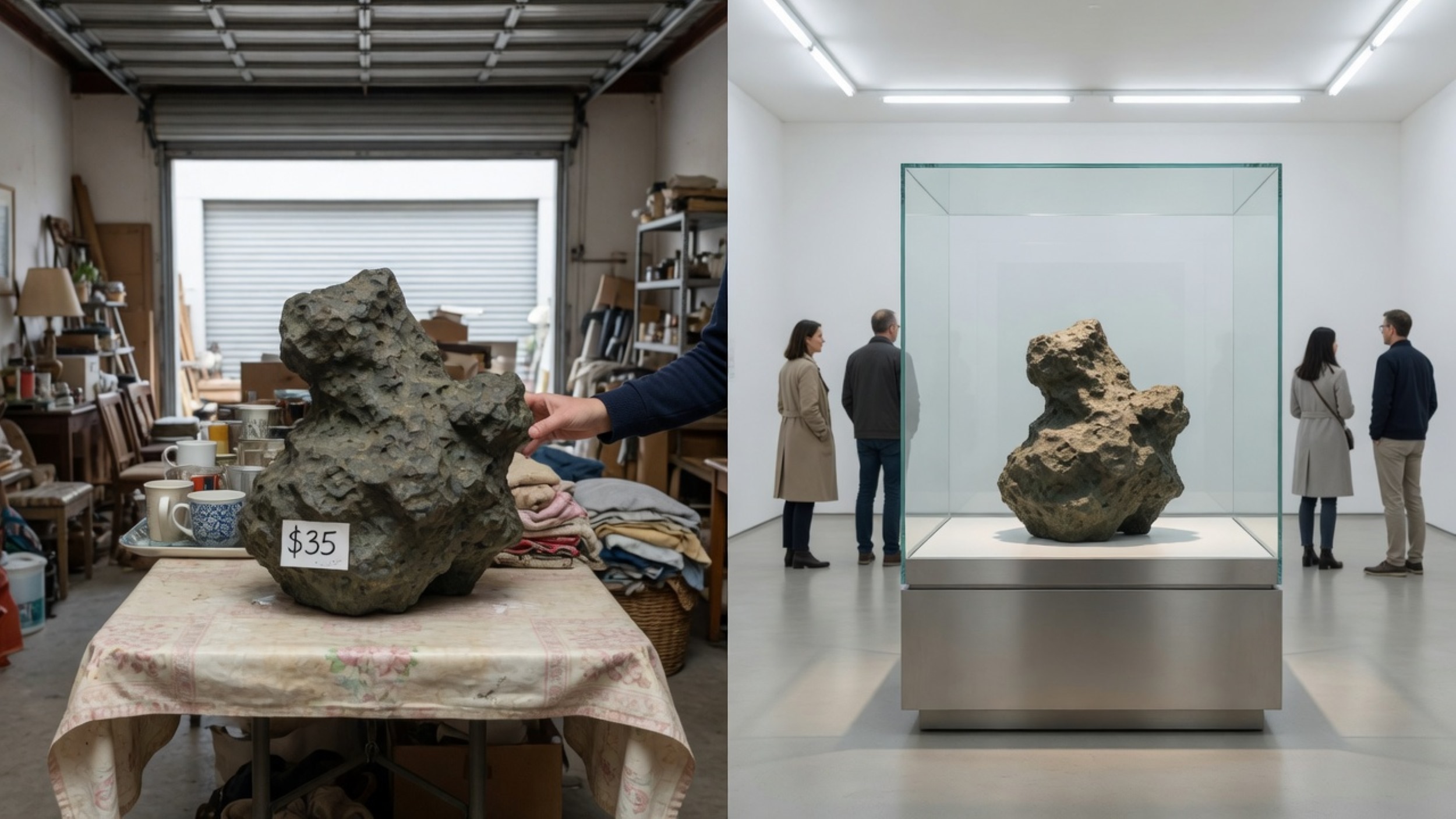
Imagine completing a work and showing it to the world. Nothing happens. There is no criticism, no rejection, no invitation, no sale and no message from someone who understood what you were trying to do. There are no hostile comments, but there are no compliments either. The work enters a silence so complete that you cannot tell whether it has been ignored, misunderstood or simply never seen.
The next morning, you return to the studio. Would you begin another?
The romantic answer is immediate: a real artist would continue. The authentic artist creates out of necessity and remains indifferent to prizes, praise, sales, institutions and audiences. Recognition belongs to the career, not the work. If external approval becomes necessary, then the artist must not have been genuinely motivated in the first place.
This idea is attractive because it protects artistic freedom from the instability of public judgment. It is also psychologically and materially incomplete. Human beings do not stop being social when they enter a studio. The desire to be seen, understood or answered does not automatically corrupt artistic intention. Nor is recognition merely a flattering accessory added after the work is finished. It can provide information, confidence, belonging, resources and evidence that continued effort is possible.
Art can certainly be produced without awards. It can be produced without sales, institutional endorsement or a large audience. It can even be made in prolonged isolation. The more difficult question is whether a practice can be sustained indefinitely without any form of recognition at all—not even the response of a trusted peer, a small community, an imagined future viewer or the artist’s own developing standards.
To answer that question, recognition must first be separated into its different forms.
CORE · Members
Continue reading
This essay is part of CORE. Membership opens it in full, with every CORE essay, the Hypercast library and the Fakewhale AI Curator.


