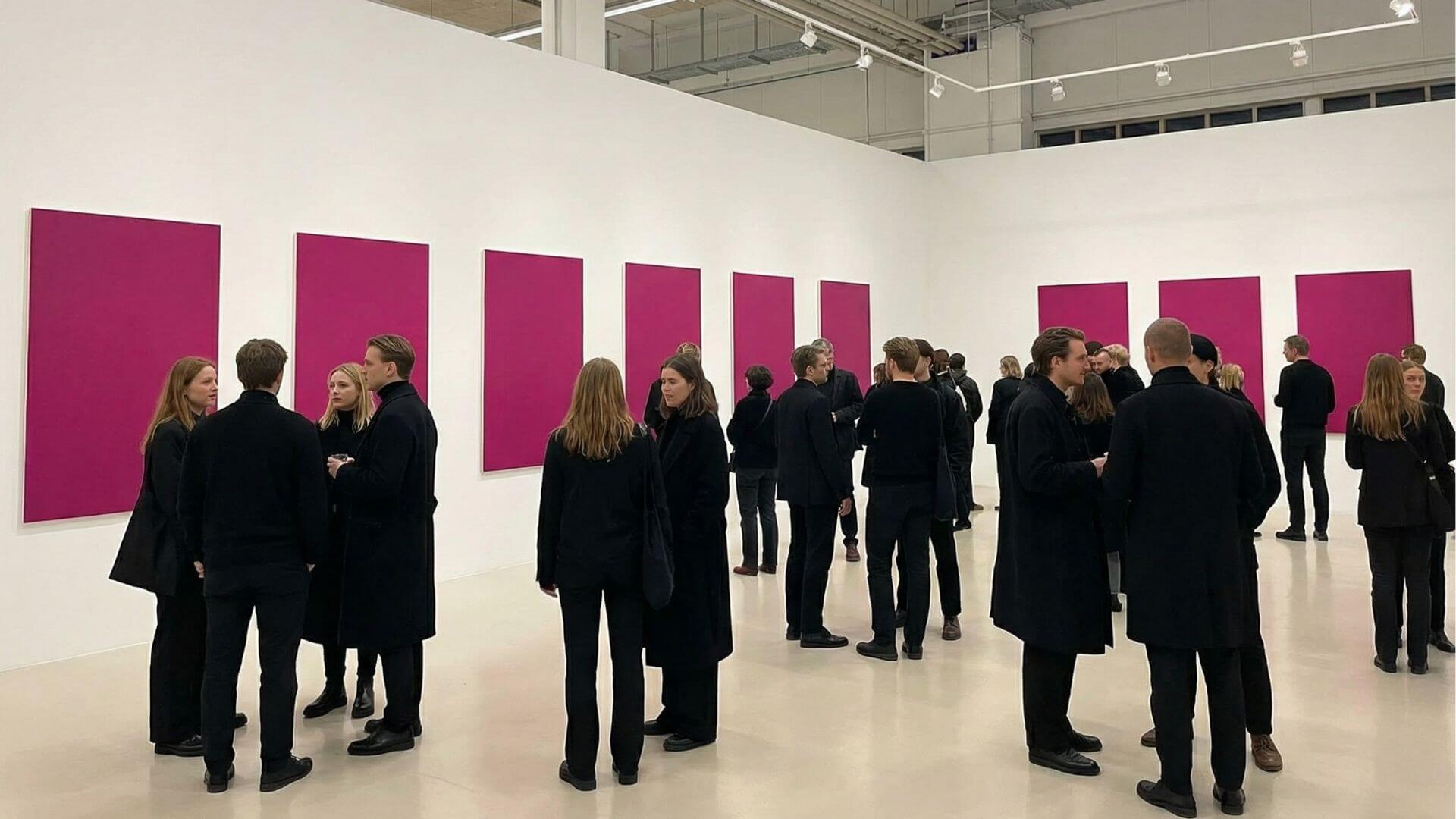


For centuries, the image functioned as a rare intensification. It asked for a posture, a duration, a distance. It demanded a frame of encounter, and that frame shaped its authority. Even when reproduction became possible, the image retained a sense of occasion, as if each appearance still carried the memory of a constraint.
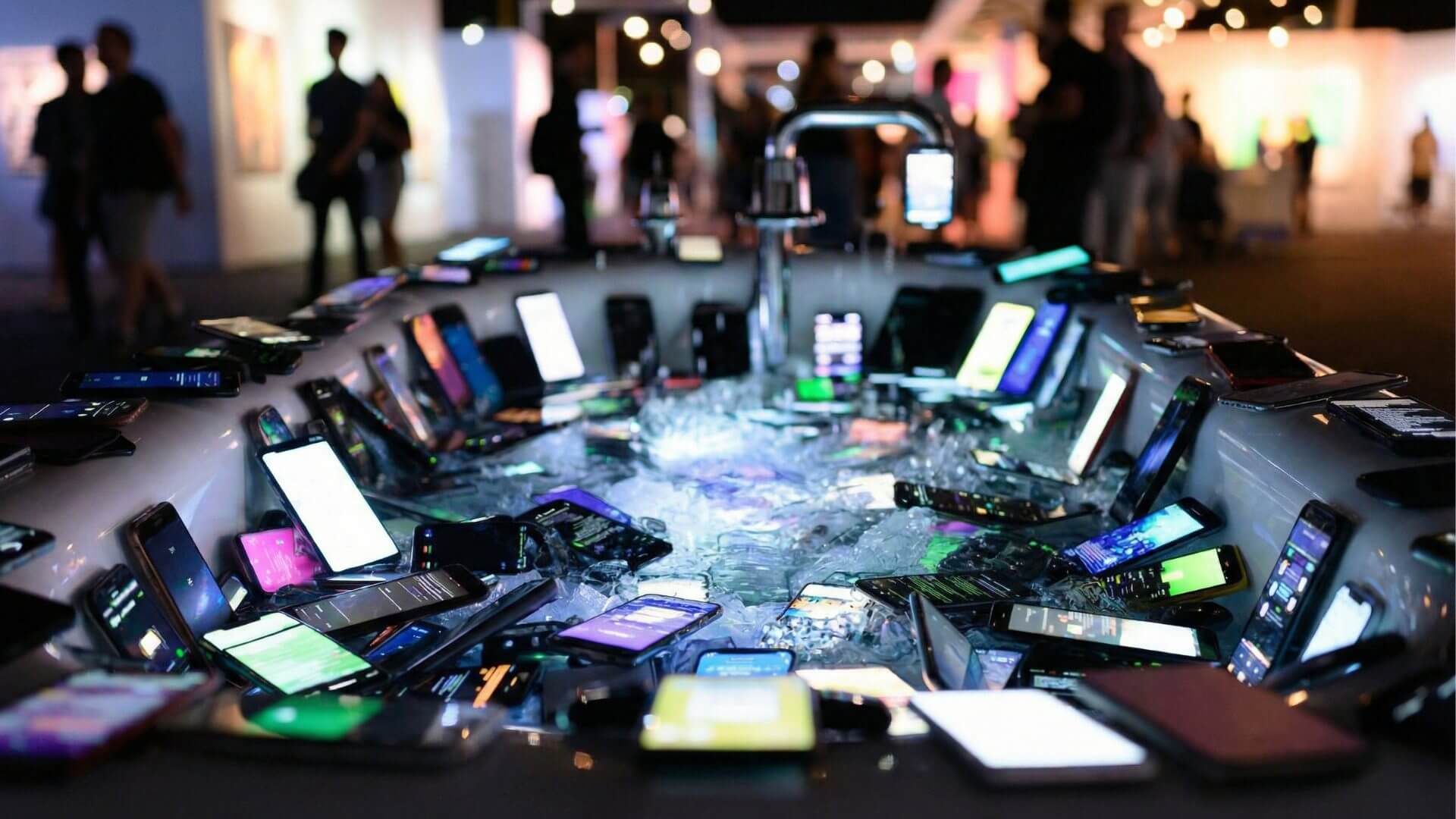
Today the constraint has moved. The image does not need to be awaited, prepared, or sought. It arrives already embedded in circulation. Artificial intelligence accelerates this transition by making generation permanently available, instantly callable, and structurally compatible with the distribution systems that govern contemporary visibility.
The decisive shift is therefore not aesthetic. It is infrastructural. The image changes regime. It becomes continuous, abundant to the point of permanence, and increasingly inseparable from the protocols that rank, sequence, and monetize it.
This is the end of the unicum in a deeper sense: not simply the end of uniqueness as rarity, but the end of the image as interruption. What emerges is a visual environment, a field in which images operate as units of flow, and in which relevance is produced through systems that continuously translate attention into hierarchy.
CORE · Members
Continue reading
This essay is part of CORE. Membership opens it in full, with every CORE essay, the Hypercast library and the Fakewhale AI Curator.