
Some time ago, we found ourselves scrolling through a late-night feed with no particular intention, letting images follow one another in a continuous flow. After a few minutes, a peculiar sensation emerged: faces changed, contexts shifted, yet the gestures remained strikingly similar. The same emotional postures, the same gazes, the same bodily tensions. We could no longer recall the specific content, but we recognized the forms. It felt like witnessing a memory that belonged to no one in particular and yet already felt like our own.
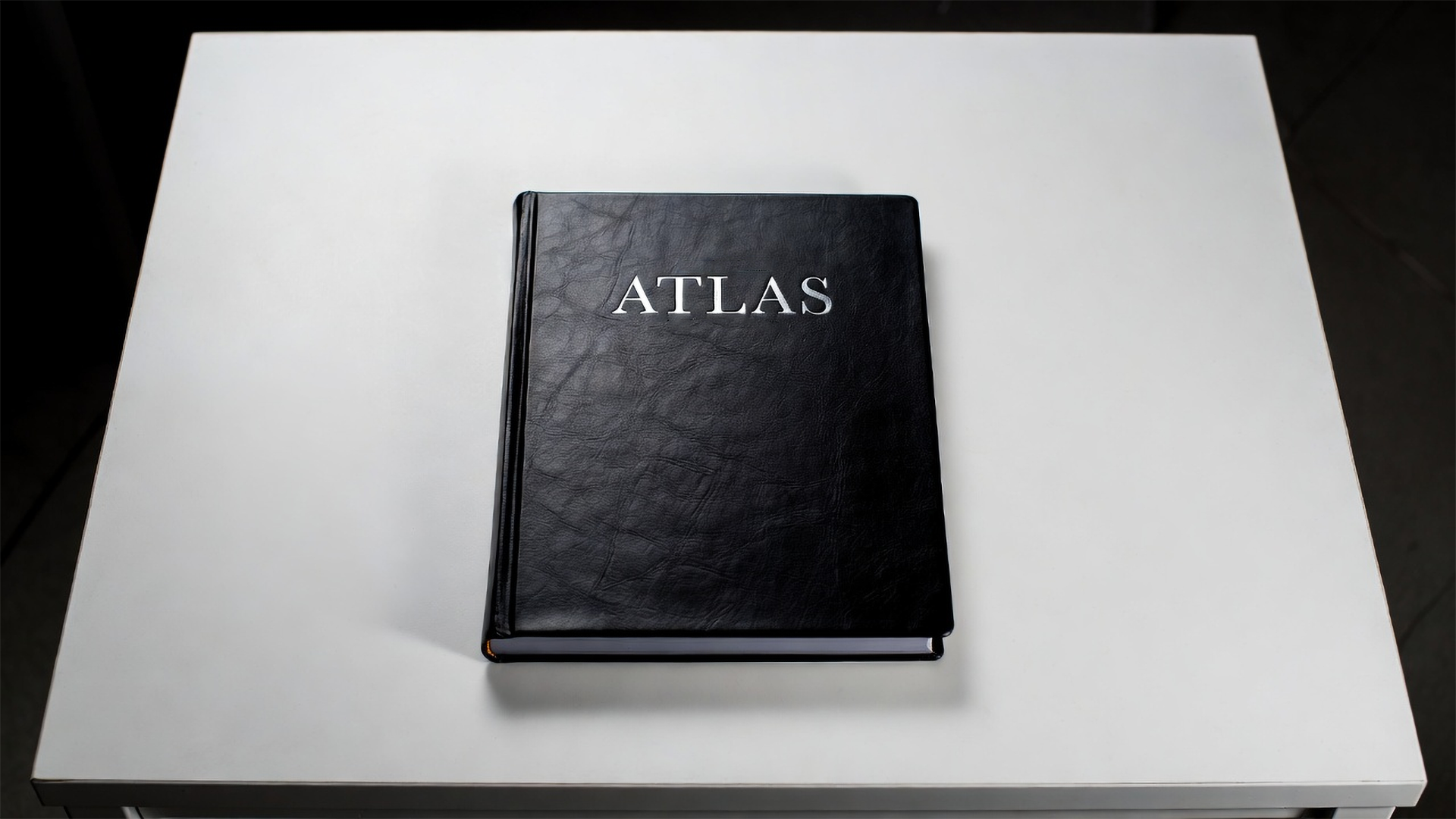
At that moment, it became clear that the issue was not the sheer quantity of images, but the way they return. Not as an orderly archive, but as recurrence. Not as a linear story, but as a circuit. It is here that the thought of Aby Warburg reasserts itself with unexpected force.
Warburg understood that culture moves through visual survivals: gestures that traverse time, emotional formulas that resurface in different contexts. Images, for him, do not preserve the past; they reactivate it. They do not explain; they generate tension. They do not represent; they transmit energy.
Today, immersed in digital environments governed by repetition, resonance, and recognizability, his work appears as a decisive theoretical root. Social networks take shape as automatic atlases, emotions as reusable formulas, memory as an unstable flow that returns without ever fully settling.
This article begins here: with an attempt to dismantle Warburg’s work in order to grasp its scope, and to place it in direct dialogue with the present. Not to update it superficially, but to test how deeply his thought is already inscribed, silently, within the visual architecture we inhabit every day.
CORE · Members
Continue reading
This essay is part of CORE. Membership opens it in full, with every CORE essay, the Hypercast library and the Fakewhale AI Curator.