

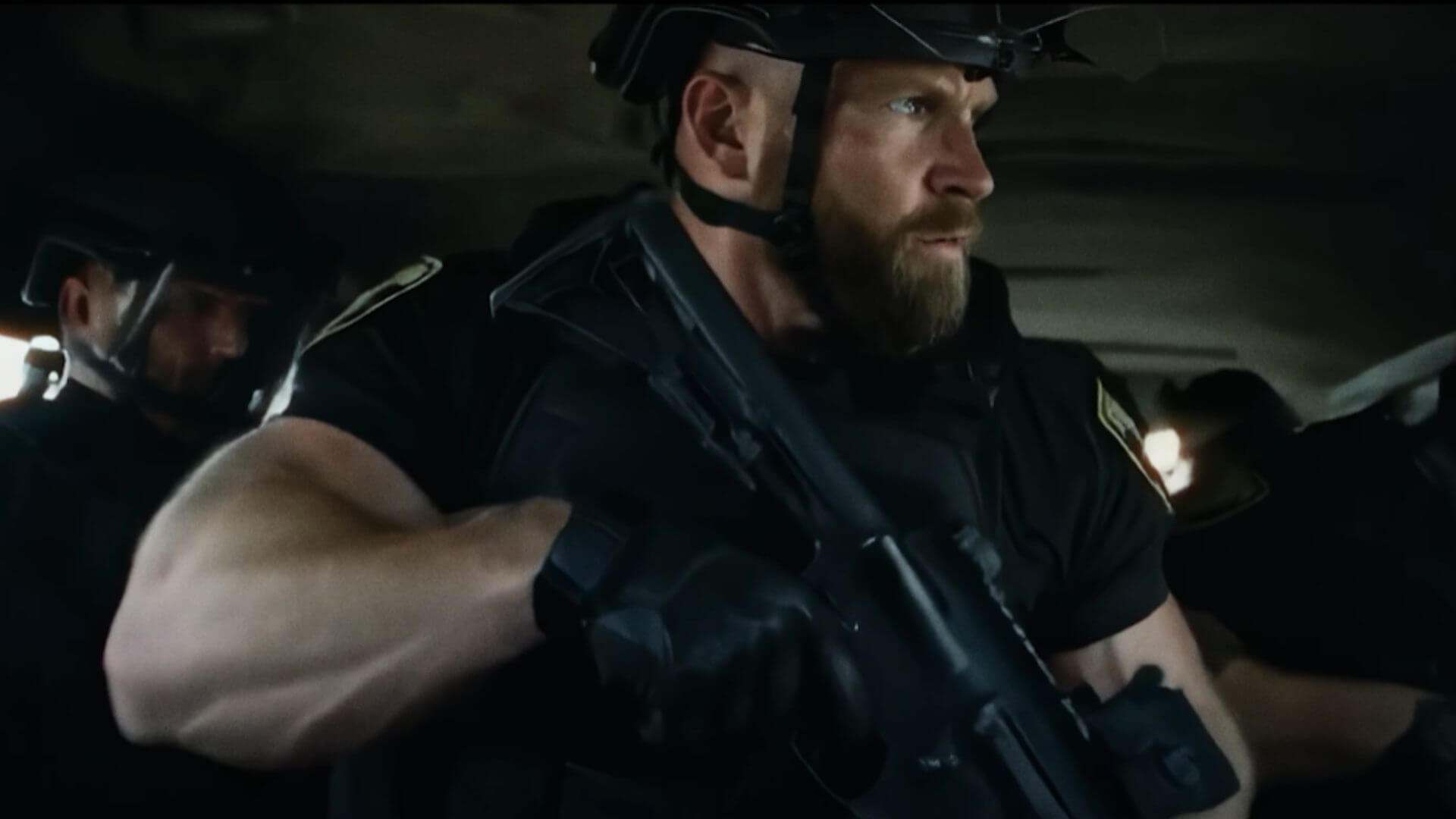
Cinema has always been a paradox, suspended between industry and intimacy. It is a machinery of colossal scale, yet capable of delivering the smallest tremor of human vulnerability. What we now confront, however, is not simply another technological shift within its history, sound, color, digital editing, CGI, but a rupture of its very ontology. Artificial Intelligence promises the possibility of films generated by prompt alone, bypassing the labor of directors, writers, actors, and technicians. The spectacle of cinema becomes, in this horizon, an automated synthesis, a product of computation rather than creation. The promise is intoxicating: limitless stories, infinite variations, films tailored to personal taste at negligible cost. Yet with this promise comes a disquieting erosion. If any narrative can be summoned instantly, indistinguishable from human craft, what becomes of cinema’s claim to be an art of presence? What happens to the aura of performance, the trace of human decision, the vulnerability inscribed in every imperfect gesture? The question is not only what we will watch, but whether what we watch will still be cinema at all.
CORE · Members
Continue reading
This essay is part of CORE. Membership opens it in full, with every CORE essay, the Hypercast library and the Fakewhale AI Curator.