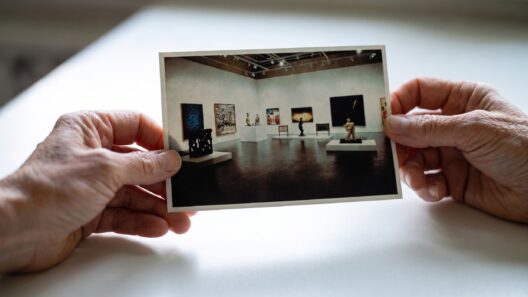
A visitor stops before a painting because the room has already composed the halt. The bench, the wall text, the security distance, the museum light, the soft choreography of bodies all operate as a protocol of attention, assigning duration to the encounter before feeling names itself as judgment. The work receives time through an architecture that has learned to appear ambient, and that ambient force lends the image its first credit.
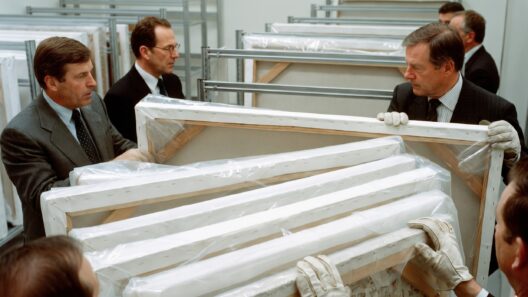
Value begins as a delay engineered into visibility. The masterpiece occupies a financed interval where belief circulates ahead of proof, where provenance, custody, scholarship, market repetition, institutional exhibition, and platform distribution create the conditions under which endurance starts to resemble essence. The image persists because many systems advance it time, and that advance becomes culture’s most elegant form of debt.
Every encounter with art passes through a machine that measures regard. The eye enters a field of ranking, and ranking transforms perception into evidence, evidence into circulation, circulation into authority. The work’s aura now travels through catalogues, feeds, databases, press releases, installation views, auction reports, and compressed images that maintain its availability as a recurring present.
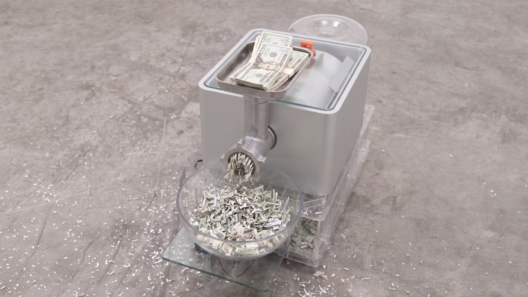
Artistic time has become a currency with custodians. The future of a work belongs to the institutions, devices, markets, and publics capable of renewing its claim on attention, and every renewal carries the trace of power disguised as care. A masterpiece survives through rental agreements written in silence: the museum grants hours, the market grants expectation, the archive grants continuity, the platform grants recurrence, and each grant accrues interest against the future.
CORE · Members
Continue reading
This essay is part of CORE. Membership opens it in full, with every CORE essay, the Hypercast library and the Fakewhale AI Curator.