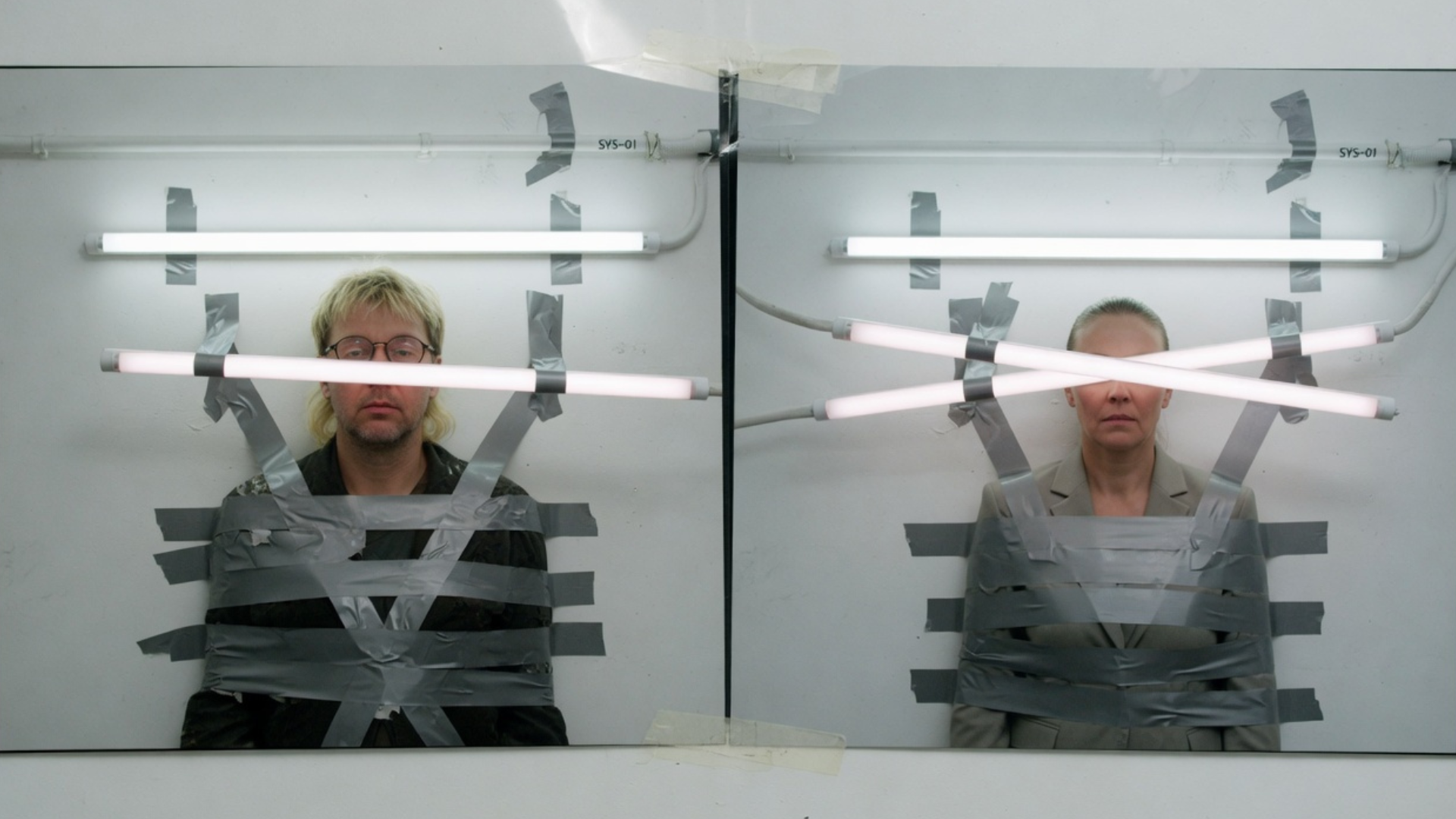
For a long time, critique appeared as a compass. An instrument of orientation, a faculty capable of distinguishing, ordering, separating truth from falsehood, relevance from noise, territory from interference. Within this confidence, a deeper promise took hold: that drawing boundaries produces understanding, that naming sharpens vision, that articulating judgment allows a more lucid inhabitation of the world.
A powerful promise. A reassuring one as well.
Every map generates this effect. It reduces the friction of the real, simplifies its surface, converts instability into trajectory. It delivers the impression that whatever becomes legible also becomes governable. Coordinates attract for this reason. Clean lines, thresholds, categories. They sustain the belief that thought coincides with a firmer grasp on things.
Then the ground shifts.
When this same logic meets lived experience, perception, interior states, art, the relation to technology, the mind itself, the clarity of the map begins to fracture. The boundary ceases to register as conquest and starts to appear as incision. Classification extends beyond orientation and performs selection, compression, hierarchy. It organizes the real while thinning its density. Within that passage, the compass already carries the outline of the cage.
Artificial intelligence enters precisely at this juncture. It operates neither as a passing topic nor as an adversary to human thought, but as a force that renders the structural character of this crisis visible. It produces statements that remain coherent, pertinent, formally legible, while bypassing the anchoring between subjectivity, experience, and positional commitment that long sustained the symbolic value of opinion. It preserves the form of judgment while emptying its identitarian ground.
What trembles concerns more than human authority. The device that stabilized our relation to thought begins to lose its credibility.
The question shifts away from critique as a faculty. It moves toward its historical function, its architecture, the kind of subject it has helped produce. It turns on the moment when an instrument of orientation becomes a protocol of legibility, when a gesture designed to open the world begins to discipline it.
This threshold marks the point of departure. Critique still presents itself as a compass while already revealing the bars of its form.
CORE · Members
Continue reading
This essay is part of CORE. Membership opens it in full, with every CORE essay, the Hypercast library and the Fakewhale AI Curator.