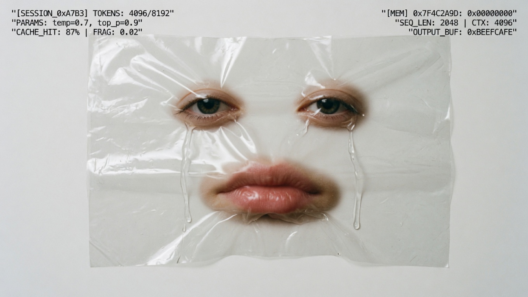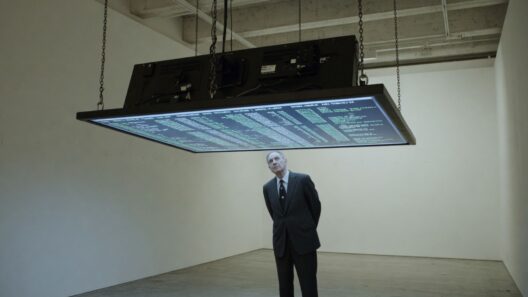
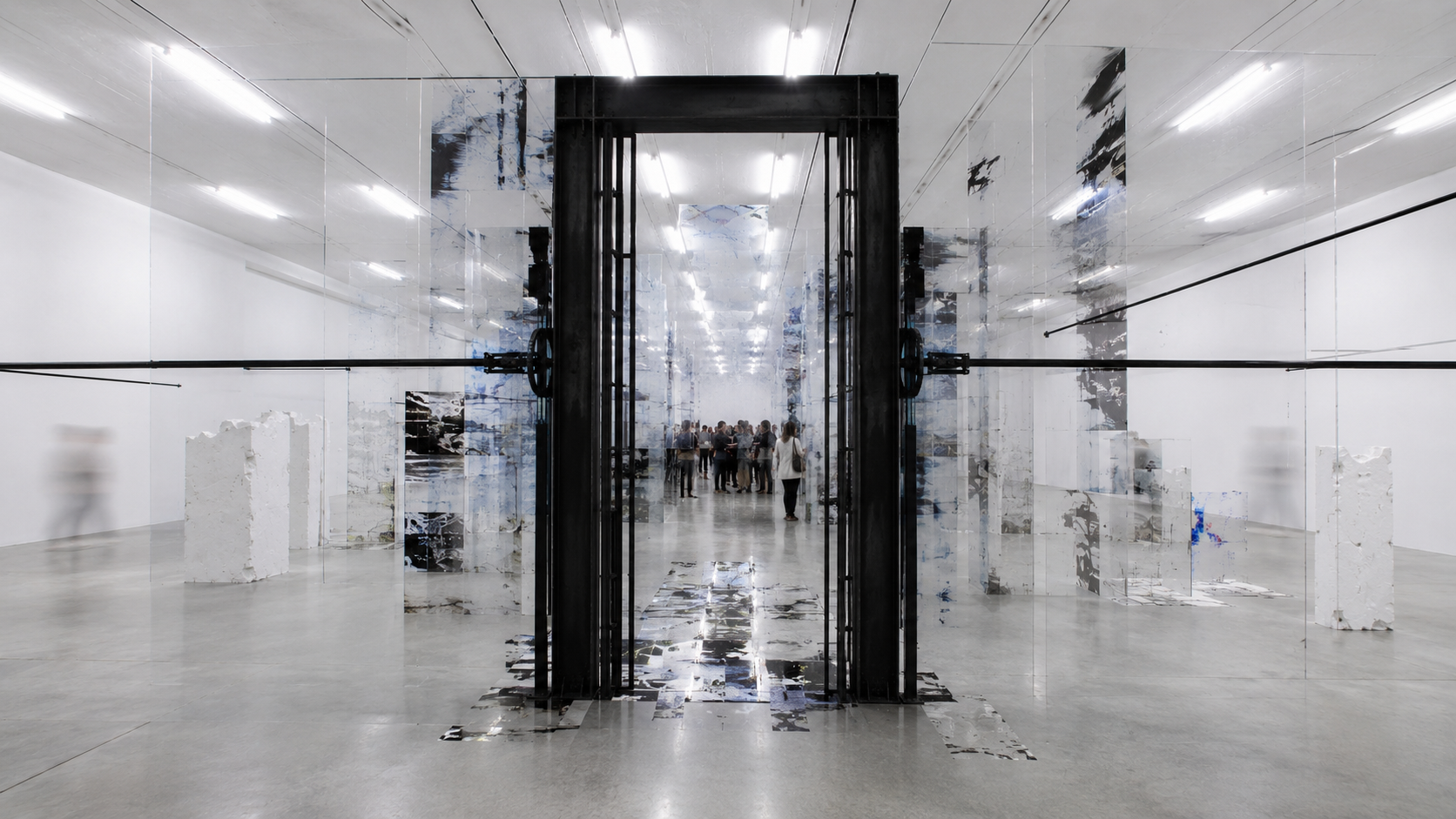
In the post AI era, image production has entered a condition of instant availability. Any user, device, platform, or automated system can now generate, transform, multiply, and circulate images at a speed that dissolves the historical scarcity through which visual art once secured attention. This shift does more than expand the field of production. It alters the conditions through which art becomes legible, valuable, and critically dense.
There is a moment when a critical position becomes infrastructure. Conceptual art occupies that position today because its internal logic has come to coincide with the visual regime produced by automated generation, networked circulation, and permanent image excess. Five decades of theoretical and practical work progressively extracted value from the object and deposited it in the idea, the procedure, the cognitive frame. What began as a gesture of subtraction has become, in the post AI image economy, one of the most productive operations the art system has ever generated.
The contemporary visual environment is structurally different from its predecessors. Image production has become automatic, distributed, capillary. Every networked device generates, transforms, and multiplies images at a cadence that exceeds any capacity for individual critical absorption. Within this regime, the image loses its exceptionality, and with it the power to fix attention. The visual scarcity that for decades guaranteed the artistic object its threshold authority has collapsed. What persists is a perceptual field so dense that difference can only be produced through the cognitive quality of the frame that organizes vision.
CORE · Members
Continue reading
This essay is part of CORE. Membership opens it in full, with every CORE essay, the Hypercast library and the Fakewhale AI Curator.