

The Gap Between the Promise of a “Digital Twin” of the Brain and the Reality of Adoption
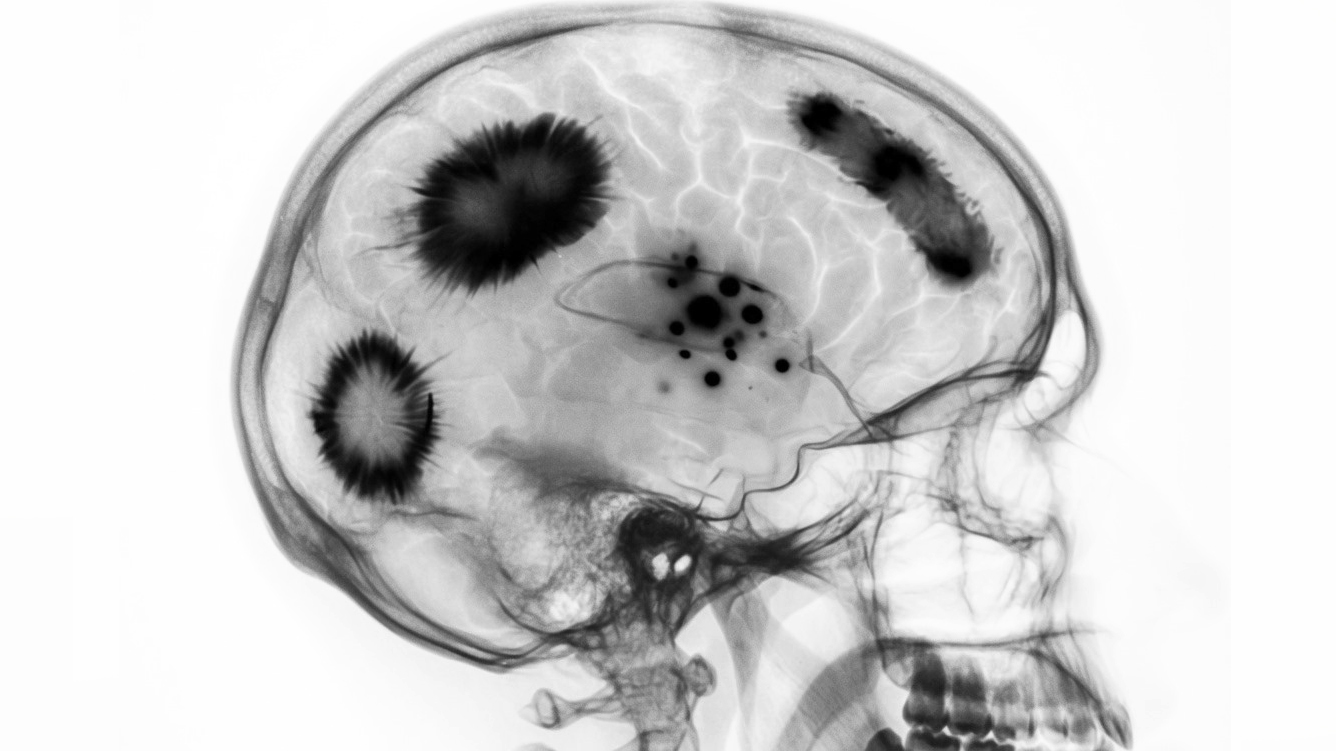
On March 26, 2026, Meta released Tribe v2 (TRIBE v2), a tri-modal foundation model trained to predict how the human brain responds to complex stimuli: images, sounds, videos, and language. It represents a true digital twin of neural activity, capable of generating high-resolution brain activation maps across 70,000 voxels (a 70-fold increase compared to previous models) from over 1,000 hours of fMRI recordings collected from 720 healthy volunteers. The model enables zero-shot predictions for new subjects, languages, and tasks, outperforming traditional linear encoding models by several factors.
For content creators, marketers, and advertising agencies, this opens a fascinating scenario: predicting in advance whether a video, post, or campaign will “perform well” — that is, whether it will stimulate attention, positive emotions, low cognitive load, and thus engagement or virality — without having to conduct costly tests with real subjects or relying solely on superficial metrics like views and clicks. In theory, the potential is almost limitless: testing thousands of variants in seconds, optimizing cuts, music, texts, and framing to maximize positive brain impact.
Yet, just over a month after launch (May 2026), while the scientific community enthusiastically welcomes the possibilities of in silico neuroscience (testing hypotheses without human volunteers, accelerating research on neurological disorders), concrete adoption in the world of content creation and marketing remains still embryonic. A few experimental tools (like tribeV2_ViralAnalyser for Windows), isolated experiments on Reddit and LinkedIn, and media hype on Medium and Instagram, but no mainstream integration into creators’ workflows or platforms like CapCut, Adobe Premiere, or Meta Ads Manager. Why this gap between the stunning theoretical potential and such limited real adoption? This article explores data, barriers, opportunities, and the path forward.
CORE · Members
Continue reading
This essay is part of CORE. Membership opens it in full, with every CORE essay, the Hypercast library and the Fakewhale AI Curator.