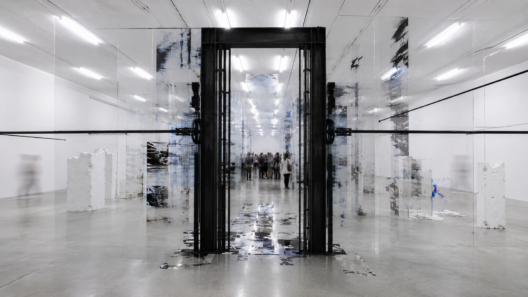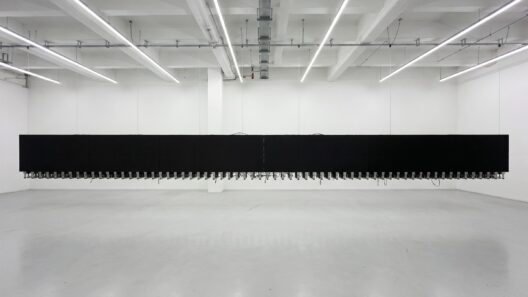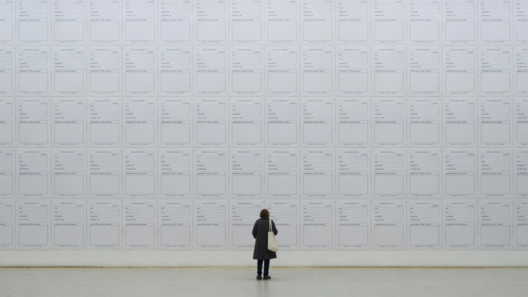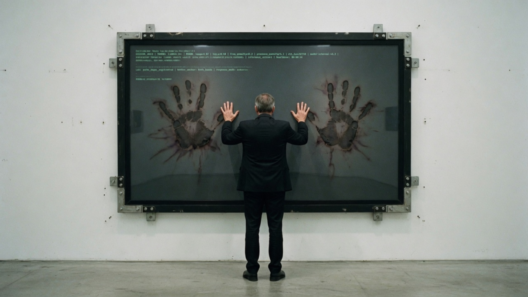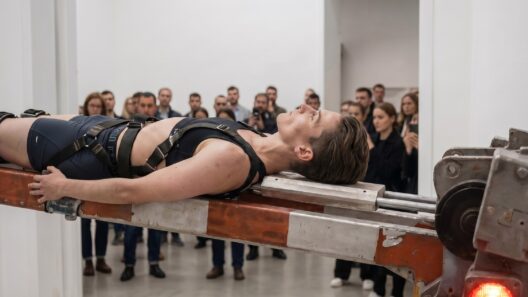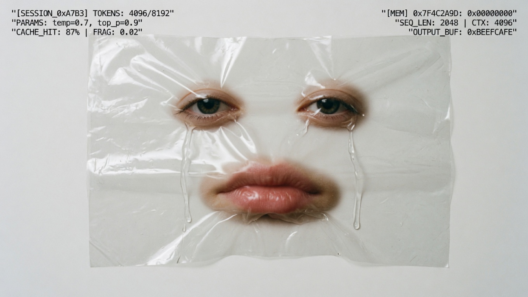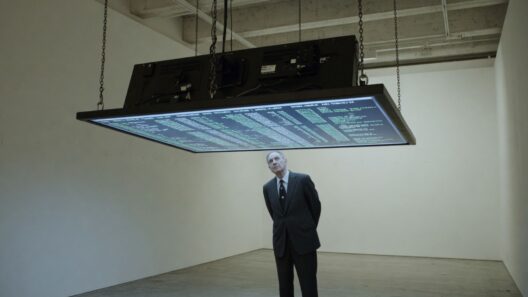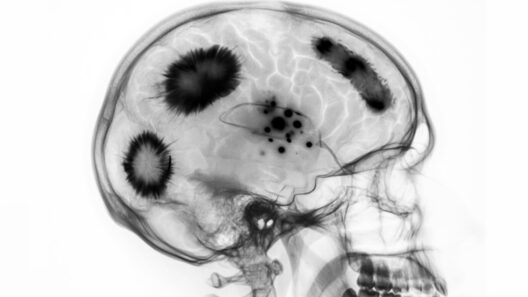
Before eating, the plate is photographed. The gesture has been absorbed so completely that it reads as reflex rather than decision: a hand tilting the screen, a held second, then the food returns to being food. The meal is less recorded than staged, composed, and released into distribution protocols that carry it toward an audience absent from the room.
Something is completed in that small interval that a century of avant-gardes had only imagined. The language of art, composition, light, the chosen instant, the attention to a significant detail, has left the gallery and dissolved into the ordinary grammar of living. We have inherited the artist’s instruments while losing the artist’s frame. We curate, we edit, we exhibit, and we do so at every hour, across a perceptual threshold that recognizes neither opening night nor closing.
A promise lives inside this arrangement, and it is the promise of distributed authorship. Each person becomes the director of their own appearance in the world, holding instruments once reserved for those trained to build images. Life assumes the shape of a permanent work in progress, always revisable, always open to a better cut, every revision feeding the algorithmic sorting that decides its reach.
Yet a suspicion nests inside the promise. Perhaps we are less the authors we believe ourselves to be. Perhaps our performance is addressed to a process rather than a gaze. The question that runs through this text concerns the nature of that authorship: whether the extension of artistic language into daily life has made us creators, or recast us as the raw material of systems that read us through parameter space with a precision we lack.
CORE · Members
Continue reading
This essay is part of CORE. Membership opens it in full, with every CORE essay, the Hypercast library and the Fakewhale AI Curator.